Why Darkness Belongs in Our Parks
The Longest View: Why Darkness Belongs in Our Parks
Sequoia Parks Conservancy / Staff
People come to Sequoia and Kings Canyon to be awed.
They stand at the base of a tree that was ancient when the Roman Empire was young, fed by the light of our own star. They walk into a marble cave where an inch of calcite takes a century to grow, and the formations began before history was written. Then the sun goes down, and the sky fills with starlight that began its journey across space long before either the tree or the cave existed.
Time runs through everything in these parks. The sequoias measure it in centuries. The caves measure it in millennia. The stars measure it in billions of years. When we lose the dark, we lose the longest view.
Light is natural. Some of it isn’t.
The moon rises and sets, and stars wheel overhead. Life on Earth evolved inside that rhythm of bright day and dark night, and a great deal of it still depends on the rhythm holding. Owls hunt by it. Birds migrate by the stars, night after night, across thousands of miles.
Artificial light writes over all of that. A single bright fixture can pull insects away from the plants that need them. A glow on the horizon can send a migrating bird off course. The light we add at night doesn’t add to the dark. It replaces it.
Darkness Connects Us
For most of human history, people could step outside and see a sky filled with stars. The night sky helped people mark the seasons, navigate across long distances, share stories, and wonder about their place in the universe.
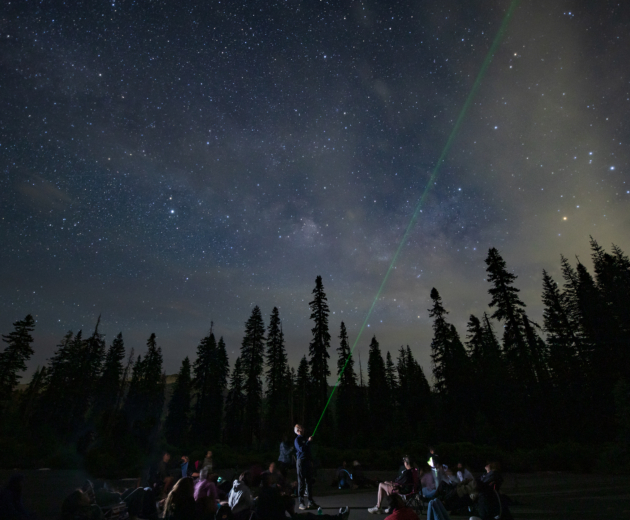
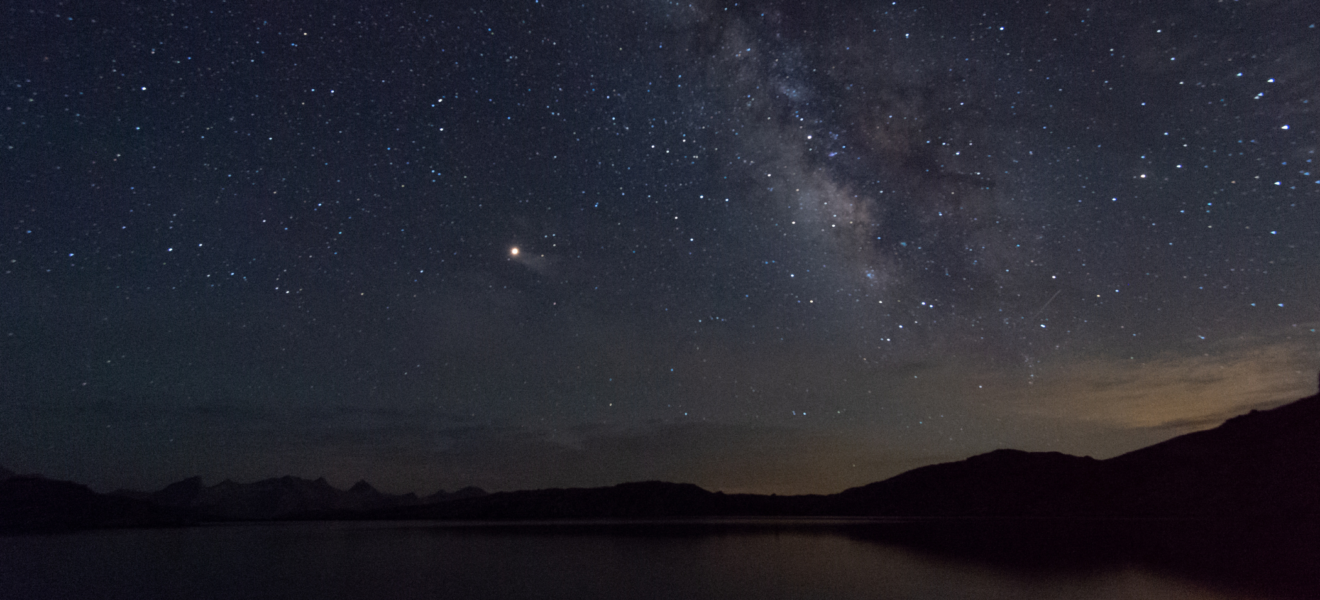
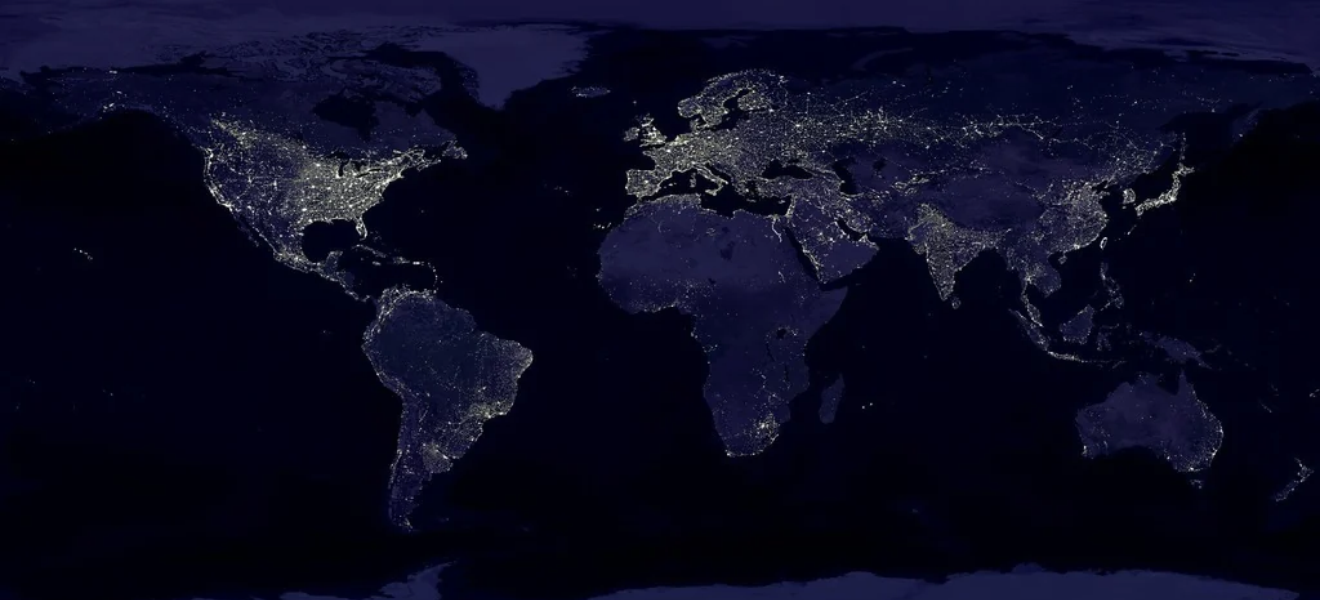
Today, light pollution creates a glow that can hide all but the brightest stars. A clear view of the Milky Way is now uncommon in many places. National parks are among the few remaining places where people can experience a richly star-filled sky. Standing beneath that sky connects us to people who looked up long before us. It can also change our sense of scale. The universe feels larger, and our daily concerns feel smaller. That feeling of awe is one reason dark skies matter.
The Problem You Can Solve Tonight
Most environmental pollution takes decades of policy, funding, and slow recovery. Light pollution is different. Turn off a light and the dark returns instantly. Nothing has to heal.
DarkSky International’s Five Principles:
Useful: Light should have a clear purpose and only be used when needed.
Targeted: Light should be directed downward and not spill beyond where it is needed.
Low level: Light should be no brighter than necessary for the task.
Controlled: Light should be used only when needed, dimmed when possible, and turned off when not in use.
Warm-colored: Use warmer-colored lights (lower color temperatures) where possible to limit blue light emissions.
So tonight, walk out your front door and look at your lights. Which switch can you simply turn off? Which fixture is throwing light sideways into a neighbor’s window or straight up into the sky, and could be shielded or aimed down?
Get the light you need, and give the sky back the darkness.
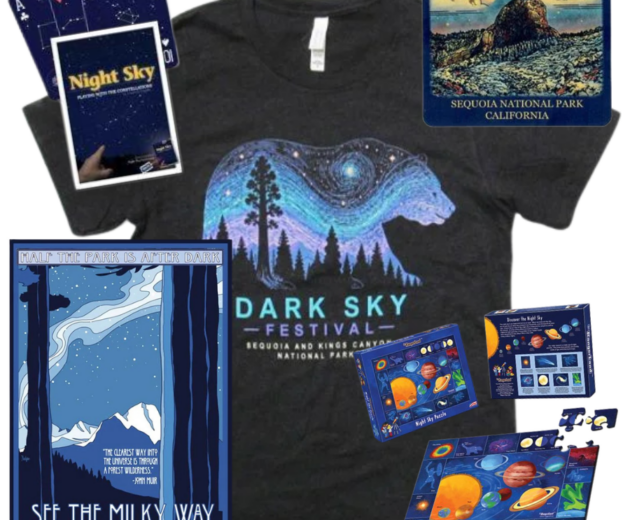
Shop the Night Sky
Keep your curiosity shining with dark sky–inspired finds from our store. Shop now for items that celebrate the wonders of the night sky while supporting education, conservation, and stewardship in Sequoia and Kings Canyon National Parks.
Stargaze With Us
Spend an evening under the stars with our Field Institute. Join one of our guided stargazing experiences to explore the night sky, ask questions, and discover more about the universe above your parks.