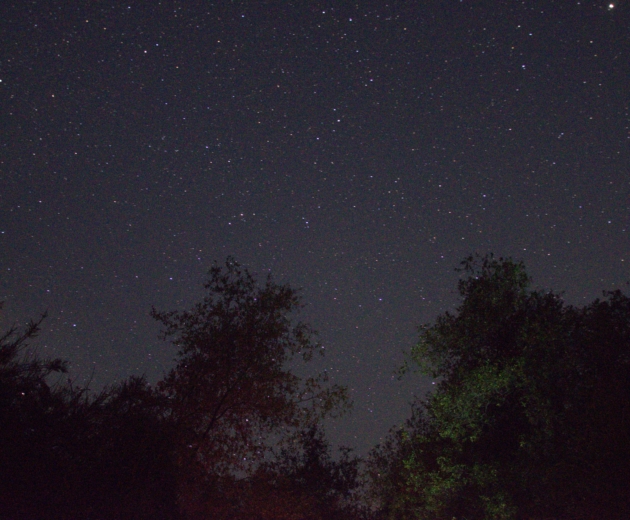
Wildlife and Dark Skies
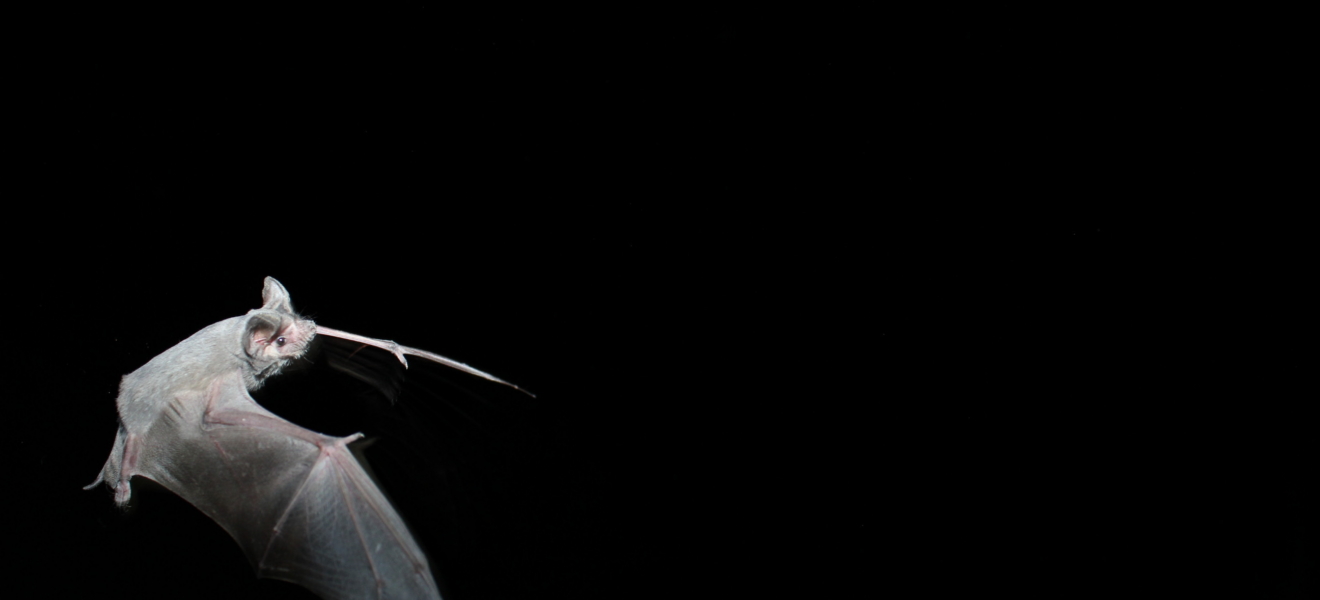
Wildlife and Dark Skies
NPS/Hannah Roodenrijs
As the last light of sunset fades on the peaks of Sequoia and Kings Canyon National Parks, a different world begins to awaken. While many visitors are settling in for an evening of stargazing, bats take to the skies, owls begin their nightly hunts, and countless other animals emerge under the cover of darkness. These parks are not only home to spectacular night skies, but also to a diverse community of wildlife that depends on natural darkness.
The dark skies celebrated during this festival are more than a beautiful backdrop for viewing the stars. For many animals, darkness is an essential part of life. Artificial light at night can disrupt natural behaviors, alter feeding and migration patterns, and interfere with the rhythms that species have relied on for thousands of years.
Nocturnal species in the parks
Few animals capture the spirit of the night like bats. Seventeen species of bats live in Sequoia and Kings Canyon National Parks, making them some of the most important nighttime residents. These remarkable flying mammals can consume enormous numbers of insects each night, helping maintain a healthy ecosystem. Using echolocation, bats navigate and hunt in complete darkness by interpreting the echoes of their own calls.
Owls are another iconic symbol of nighttime wilderness. Although not every owl species is strictly nocturnal, most of the 11 species
found in the parks are most active after dark. With exceptional hearing, keen eyesight, and nearly silent flight, owls are highly skilled nighttime hunters, searching for rodents and other prey beneath the stars.
The parks are also home to a variety of nocturnal mammals. One fascinating species is the ringtail, a rarely seen relative of the raccoon. Agile and elusive, this small carnivore spends much of its life hidden from human view, emerging after sunset to explore rocky canyons and forest habitats in search of food. For many visitors, knowing these secretive animals are active nearby adds another layer of wonder to the nighttime landscape.
Impacts of artificial light at night on wildlife
Just as people follow daily schedules, wildlife follow rhythms set by natural cycles of light and darkness. Animals and plants use these rhythms to guide important life events such as feeding, migration, reproduction, and seasonal behavior. When artificial light brightens the night, these natural cues can become disrupted.
For many species, darkness provides safety. Nocturnal animals often use the cover of night to avoid predators while searching for food. Artificial lighting can make wildlife more visible and vulnerable. Insects are frequently attracted to bright lights, increasing their risk of predation. Some bats may avoid brightly lit areas altogether because the additional light makes them easier targets for predators such as owls.
Dark skies are also critical for migrating birds. Many songbirds travel at night, using the stars and moon as natural navigation tools while benefiting from cooler temperatures and reduced risk from predators. Artificial lighting can confuse migrating birds, alter migration timing, and even draw them away from their intended routes.
Protecting the night
As you enjoy the stars during the Dark Sky Festival, remember that the darkness above is just as important to wildlife as it is to astronomers and stargazers. By protecting natural night skies, we help preserve habitat for bats, owls, migratory birds, and countless other species that depend on the night. Every dark sky is an opportunity to experience the park as wildlife has for generations: illuminated by moonlight, starlight, and the natural wonder of the night.
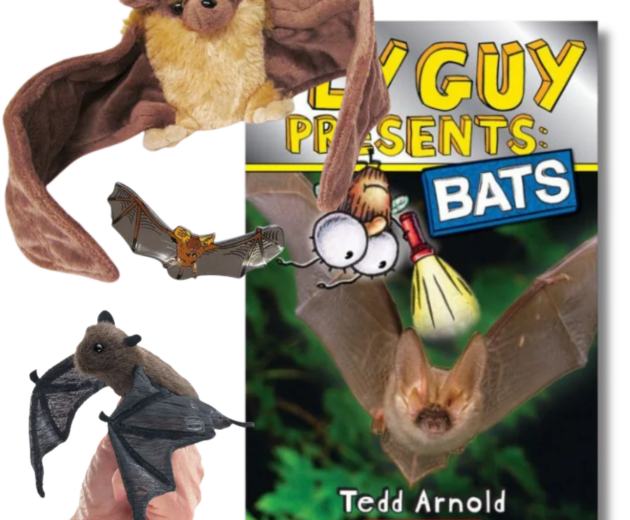
Shop Bats
Celebrate the parks’ nighttime wildlife with bat-inspired items from our shop. Each purchase supports Sequoia Parks Conservancy’s work in Sequoia and Kings Canyon National Parks, helping you stay connected to these places and the wildlife that calls them home.
Explore the Foothills After Dark
Discover the foothills after sunset with Sequoia Parks Conservancy’s Field Institute. Our Foothills Night Hike and Stargazing program invites you to explore some of California’s darkest night skies while learning why natural darkness matters for wildlife. Bat sightings aren’t guaranteed, but you’ll gain a deeper appreciation for the world that awakens after dark and our shared role in protecting it.